
2026 September 15 – FCNC Meeting on Downtown Development Plan and ZOTA
Meeting notes below generated by AI, edited by human.
See https://www.imaginelexington.com/plans-projects/downtown-area-master-plan or https://downtownlex.com for more information about the proposed Downtown Plan. This illustration comes from the Division of Planning document.
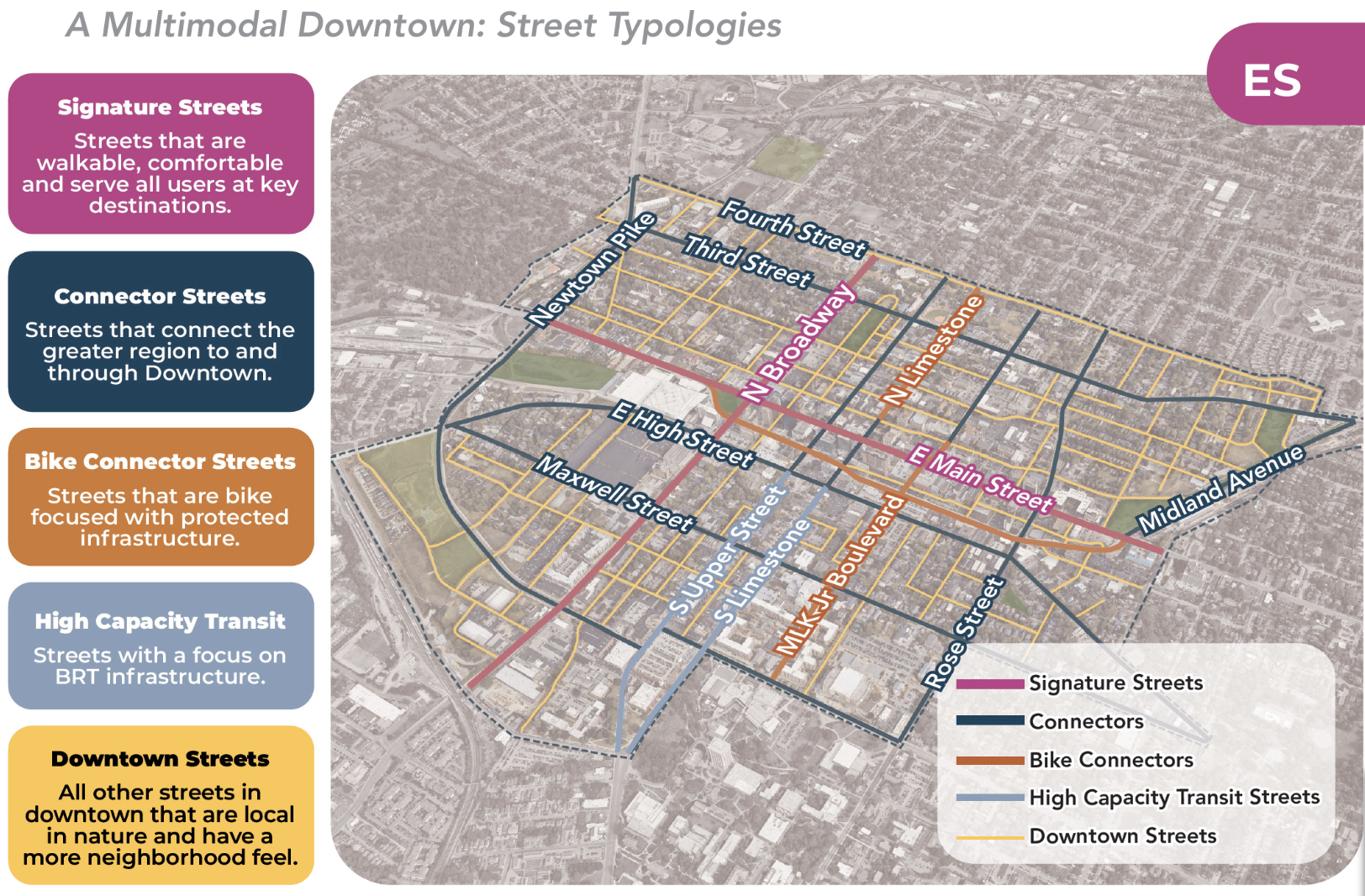
At our September 15 meeting, FCNC welcomed Hal Bailey, Manager of Long Range Planning, for a direct conversation about Lexington’s evolving Downtown Development Plan.
The city’s planning focus has shifted away from traditional urban renewal toward mixed-use housing density. The strategy is to build dense downtown units to absorb student housing demand, theoretically freeing up single-family home inventory in nearby neighborhoods. With Lexington’s population projected to reach 369,000 by 2050 and UK enrollment continuing to grow, the pressure on housing is real. However, by-right* development rules—like the proposed 20-story student housing project on the High Street YMCA site—demonstrate how historic zoning decisions from the 1960s still shape our urban core without requiring fresh zone changes.
* Note: By-right means a zoning permitting process wherein development may proceed under the zoning in place at time of application without the need for a special permit, variance, zoning amendment, waiver, or other discretionary zoning approval.
Planning is currently introducing a Zoning Ordinance Text Amendment to replace story limits with height caps (144 feet for B2A zones), remove surface parking lots as a permitted principal use, and introduce a 50-foot step-down buffer adjacent to residential zones. While these steps help, critical neighborhood concerns remain: zero citywide parking minimums, rising traffic on High Street and Nicholasville Road, a lack of downtown grocery options, and the reality that upzoning inflates land values, making historic homes worth more demolished than preserved. Furthermore, the concentration of heavy industrial zoning on the north side continues a history of equity imbalances that planning must actively address.
[10/23/2026 Update: “The commission voted 5-0 with one abstention to deny a zone change from mostly residential property to a business on the corner of East High Street, Stone Avenue and Hagerman Court.” https://www.kentucky.com/news/local/article317742480.html]
Too often, developers arrive with teams of lawyers while neighborhood residents are notified too late to respond effectively. Early neighborhood involvement is currently only “strongly recommended,” as elected officials rejected attempts to mandate it in 2018. If we want broader and earlier notification, we must press our city council members directly.
Action Steps for Neighborhood Leaders:
- Press for Mandatory Notification: Contact your Urban County Council members and ask them to amend city ordinance to require earlier, mandatory neighborhood notification on development projects.
- Attend the ZOTA Public Hearing: Show up to comment on the proposed downtown zoning text amendments when they go before the Planning Commission.
- Explore Resources: Review the Winchester Road corridor study at https://wspengages.com/WinchesterRoad, and check out https://blackyard.com for vital history on Lexington’s redlining legacy.
When neighborhoods stand together, we ensure that city growth serves the people who already live here. Keep showing up!